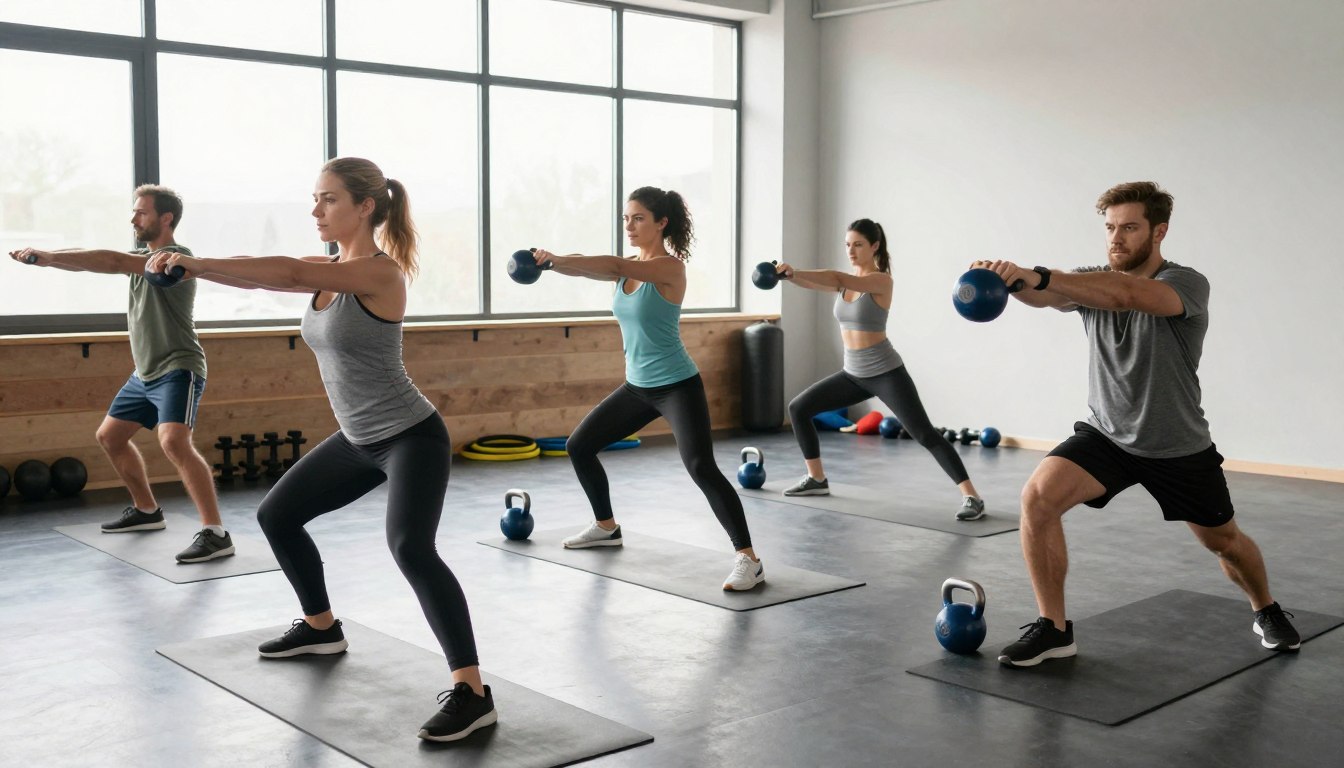
Did you know that nearly 80% of adults will experience some form of physical limitation by age 50? This startling reality highlights why prioritizing your body’s mechanics is vital for long-term health. Movement health is not just for athletes; it is the foundation for living a vibrant, pain-free life.
By incorporating functional movement exercises into your day, you prepare your muscles for the demands of real-world activities. This approach helps you improve mobility and strength simultaneously, ensuring your joints remain supple while your core stays stable. You will quickly notice how these simple habits translate into better performance during everyday tasks like lifting groceries or playing with your kids.
Understanding the core concepts of this practice allows you to unlock significant mobility training benefits. When you commit to consistent functional fitness and mobility training, you protect your body against future injuries. Start today to build a resilient frame that supports an active lifestyle for years to come.
Key Takeaways
- Prioritizing movement health prevents common physical limitations as you age.
- Intentional patterns help you improve mobility and strength for daily tasks.
- Consistent practice offers long-term mobility training benefits for joint health.
- Functional movement exercises support your body’s natural mechanics.
- Building a resilient body is essential for maintaining an active, pain-free lifestyle.
Getting Started with Functional Fitness and Mobility Training
Embarking on a journey toward better physical health begins with understanding your body’s unique needs. Engaging in functional fitness and mobility training allows you to move with greater ease and confidence in your everyday life. By focusing on how your body functions as a whole, you can create a sustainable path to long-term wellness.
Assessing Your Current Range of Motion
Before starting any new routine, take a moment to observe how your joints move during simple tasks. You might notice stiffness in your shoulders or tightness in your hips when reaching for high shelves or bending down. Identifying these limitations early is the first step toward improvement.
Try performing basic movements like a bodyweight squat or a gentle overhead reach in front of a mirror. Pay attention to any discomfort or restricted paths of motion. This simple self-assessment provides a baseline that helps you track your progress over time.
Setting Realistic Goals for Daily Movement
Once you understand your starting point, it is time to define what success looks like for you. Effective functional fitness programs should be tailored to your specific lifestyle and physical history. Whether you are an athlete or looking for functional fitness for seniors to maintain independence, consistency remains the key to success.
“The secret of getting ahead is getting started. The secret of getting started is breaking your complex overwhelming tasks into small manageable tasks, and then starting on the first one.”
Consider incorporating strength training for flexibility to ensure your muscles remain supple while building necessary power. By setting small, achievable milestones, you keep your motivation high and your body safe from overexertion. Remember that progress is often measured in how much better you feel during daily activities rather than just the weight you lift.
Preparing Your Space and Equipment
Creating a dedicated area for your functional training workouts helps you stay focused and consistent. You do not need a massive gym to see results; a small, clear corner of your living room is often enough. Ensure the floor is stable and free of obstacles to prevent any accidental slips or trips.
Consider keeping a few essential items nearby to enhance your sessions:
- A non-slip yoga mat for floor exercises.
- Resistance bands for gentle tension and mobility work.
- A sturdy chair for balance support during standing movements.
By organizing your environment, you remove the friction that often prevents people from starting their exercise. A safe and inviting space makes it much easier to commit to your daily movement practice.
Step-by-Step Functional Movement Exercises for Daily Performance
Building a resilient body starts with mastering fundamental movement patterns that translate directly to your daily life. Incorporating functional movement exercises into your routine helps bridge the gap between gym training and real-world capability. By focusing on these patterns, you improve your overall quality of life and physical independence.
Mastering the Squat for Lower Body Strength
The squat is the king of lower body movements, mimicking the simple act of sitting down and standing up. Utilizing strength training for flexibility allows you to maintain a full range of motion while building essential muscle mass.
Proper form and alignment
Start with your feet shoulder-width apart and toes pointed slightly outward. Keep your chest upright and drive your hips back as if sitting into an invisible chair. Ensure your knees track directly over your toes throughout the entire movement.
Common mistakes to avoid
Avoid letting your heels lift off the ground or allowing your knees to cave inward. These errors often lead to unnecessary strain on the joints. Always prioritize controlled, fluid motion over heavy weight to ensure long-term success.
Improving Core Stability with Planks and Rotations
A strong core is the anchor for every movement you perform. Whether you are interested in functional fitness for seniors or high-intensity training, core stability remains a non-negotiable pillar of health.
Engaging the deep core muscles
Focus on drawing your belly button toward your spine while maintaining steady breathing. This activation protects your lower back and creates a solid foundation for your limbs to move effectively.
Variations for different fitness levels
Beginners can start with knee-based planks to build endurance. As you progress, incorporate rotational movements like the “bird-dog” or side planks to challenge your stability from different angles.
“Movement is a medicine for creating change in a person’s physical, emotional, and mental states.”
Enhancing Shoulder Mobility with Overhead Reaches
Shoulder health is vital for reaching, lifting, and maintaining an upright posture. These mobility exercises for athletes are designed to keep the shoulder girdle healthy and pain-free.
Techniques for better posture
Stand tall and reach your arms toward the ceiling, keeping your biceps near your ears. Focus on lengthening your spine rather than shrugging your shoulders toward your neck. This simple reach helps counteract the effects of sitting at a desk all day.
Safety tips for joint health
Never force your range of motion if you feel sharp pain. Instead, move slowly and listen to your body’s signals. Consistent, gentle practice is the best way to achieve lasting joint health and improved flexibility.
Conclusion
Your journey toward better physical health relies on the habits you build today. Committing to structured functional fitness programs creates a reliable path toward long-term wellness and injury prevention.
You now possess the tools to improve mobility and strength through intentional daily practice. These movements help your body adapt to the demands of modern life while keeping your joints healthy and resilient.
Many people find that mobility training benefits extend far beyond the gym. You will notice easier movement during everyday tasks and improved posture throughout your workday.
Elite athletes often use specific mobility exercises for athletes to maintain their competitive edge. You can apply these same principles to your own routine to reach your personal peak performance.
Consistency remains the most important factor in your success. Dedicate time to your functional training workouts to see lasting changes in how you move and feel. Start your practice today and enjoy the freedom that comes with a capable, mobile body.